





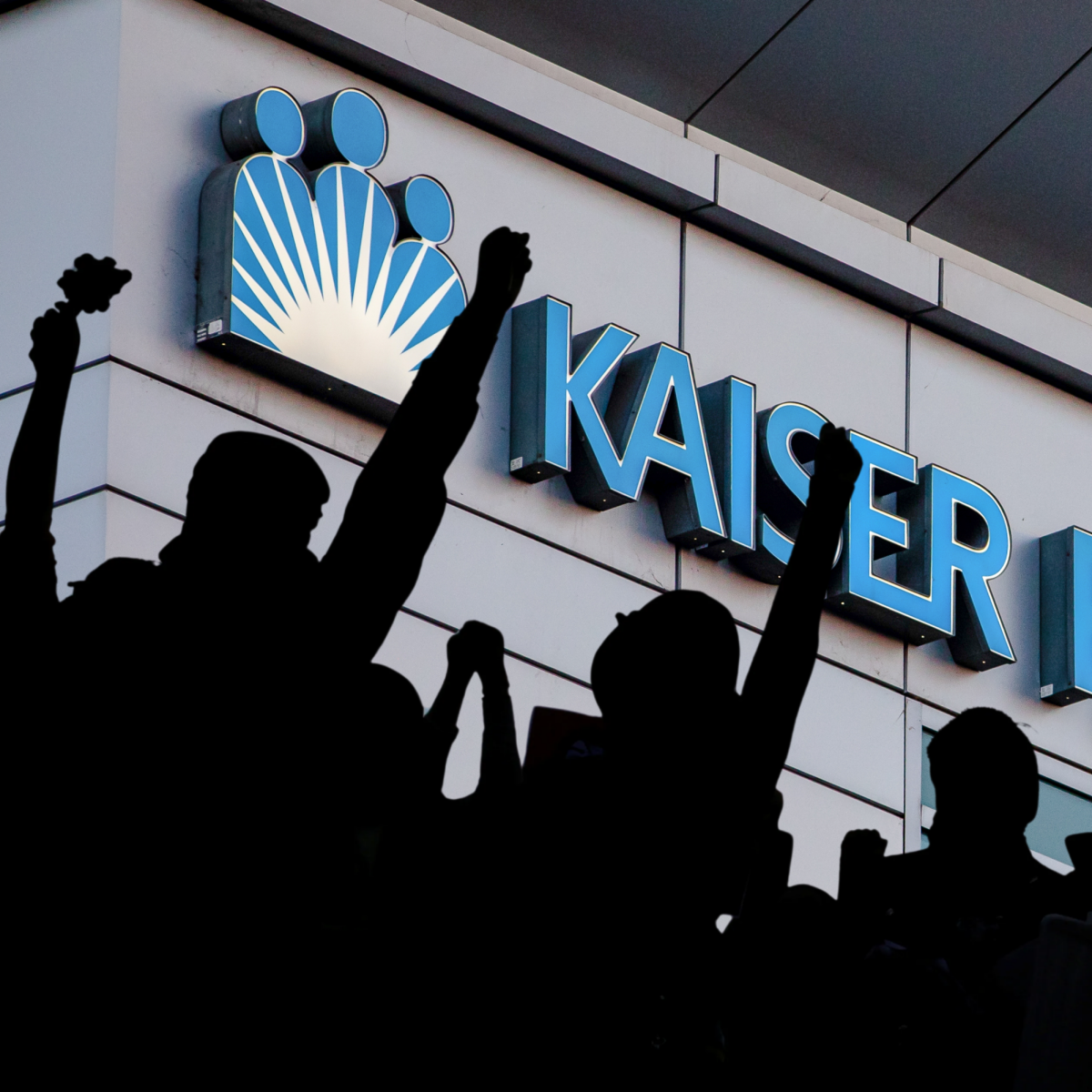
On Monday morning classrooms across San Francisco may be half-empty, while hospitals across California and Hawaii continue working without its nurses.
Teachers in San Francisco are expecting a looming strike starting this Monday, February 9th, this with a member approval of 97.6%, according to UESF. Moreover, the United Nurses Associations of California is entering its second week of striking with about 31,000 nurses all across California and Hawaii, according to UNAC/UHCP.
Both unions represent a crucial part of our critical infrastructure, which daily access to it is today inevitable. Not only is access lost through striking, other side effects include the loss of economic growth, climate impact, as well as increased risk of accidents, as workers stop showing up at work and often move to the streets. When strikes in this crucial position of our society occur and general productivity is lost, the question may be raised: Is that really necessary?
Strikes, especially in critical services, appear to punish the very people workers are meant to work for, as it’s built on the expectancy of continuity and trust. When our teachers leave the classrooms or nurses leave hospitals, the impacts are obviously visible and immediate.
The idea of striking is, therefore, in direct conflict with the expectation of our society, that crucial services should work regardless of conflict.
Still this expectation completely ignores the conditions under which these services are delivered and ignores power imbalances which may be in place between workers and institutions. Doesn’t that leave striking as one of the few remaining means for meaningful change?
Still it’s essential to consider that striking is not meant to cause immediate trouble, but merely a necessary means to solve problems.
Both mentioned unions, the UESF and UNAC/UHCP, emphasize that their actions are a conclusion of lingering negotiations which have failed to solve basic workplace circumstances. The UESF, for example, points to understaffed schools, lacking competitiveness, and failing support services for students, especially for those who have special needs, according to UESF.
These issues describe situations in which the expectations of workers are not met because of institutional support but rather because of its absence. Striking is a collective caesura, demonstrating that the current conditions are intolerable and change has to be achieved faster.
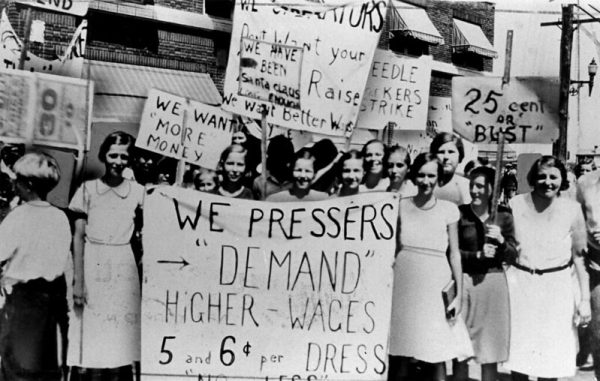
Strikes done by workers from critical services especially gain their momentum from the impact they have on the whole community. As crucial workers withdraw from their labor, it becomes evident how dependent societies are on workers who are often devalued and underpaid.
This is especially shown in the Kaiser (UNAC/UHCP) case, whose nurses have more emphasized patients’ security, rather than wages. “Frontline nurses – once recognized as ‘heroes’– now find themselves advocating for the very resources necessary to safely care for patients,” Kaiser nurse Corina Zana said, according to UNAC/UHCP.
Visibility and pressure, especially in the critical infrastructure, forces not only policymakers and employers but also the public to face the fact that the system keeps on functioning as workers accept deficiencies in the system.
The disruption created in society creates general awareness that negotiations can rarely achieve, pressuring policymakers to change current circumstances and improve them.
Despite its disruptiveness, striking is a necessary means of laborers and unions to express failures and deficiencies in the system. Historical examples, such as the Pullman strike or the Flint sit-down strike, show that especially those strikes which happened to be part of critical infrastructure are extremely productive due to the attention generated.
The discomfort created by strikes is not justified, but neither are understaffed hospitals and schools and declining quality of services. I believe that the real question is not whether strikes are necessary, but why institutions repeatedly allow conditions in which these strikes become inevitable.